
360 Urology can help in management of your every day urologic needs. The empathy and care among our team members will give you a different level of care, no matter what the condition we are treating. We take the time to explain to you why you have what you have and why we recommend specific treatment options; because it is important for you to know the whys behind the whats to allow you to make the best informed decision possible.
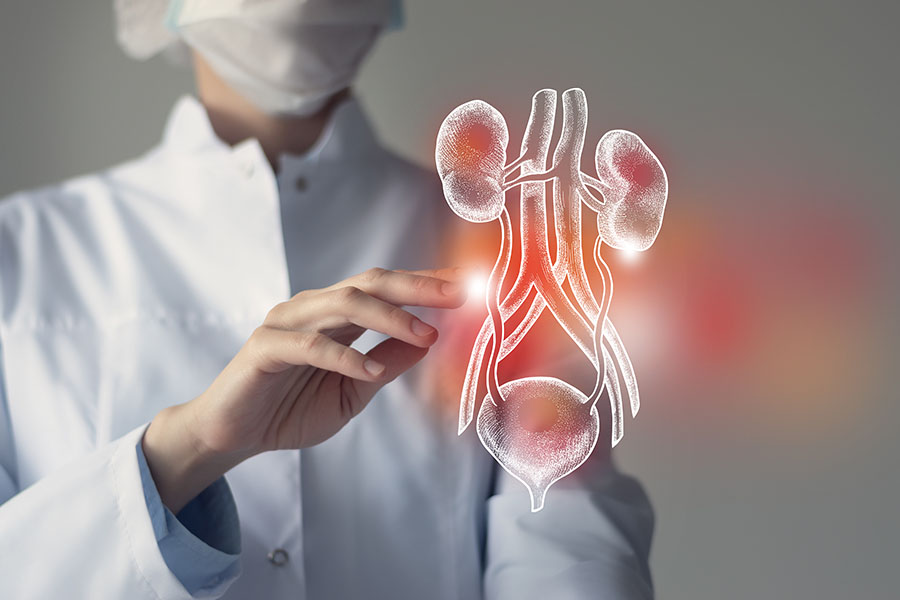
Stress incontinence is leaking related to “stress” such as coughing, jumping, standing, walking or exercise. Leaking at night while sleeping is rare but can sometimes be a more severe form of incontinence. Stress incontinence is very common immediately after prostate cancer treatments but tends to improve gradually over time. Typically, the most improvement will be seen the first 6 to 12 months after your prostate cancer treatment. Robotic surgery has improved stress incontinence rates to less than 10%.

Overactive bladder is a combination of symptoms that includes frequent urination, uncontrollable urges to void, and night time urination and may oftentimes lead to incontinence without the presence of a urinary tract infection.
While in men, the most common cause of these symptoms is enlarged prostate, for most women, the true cause may be unknown.
First line treatment options include lifestyle changes and pelvic relaxation exercises, which are typically followed by a trial of medications. The medications, while oftentimes effective, can be expensive or have unwanted side effects including dry eyes, dry mouth, constipation, and confusion.
At 360, in addition to the above treatments, we are able to offer you safe and effective minimally invasive alternatives, such botox and nerve stimulation, in an attempt to limit these side effects while restoring your bladder control.
Stones are a very common cause of blood in the urine and can easily be treated with either medications to help pass the stone, or surgery. However, there are other causes of blood in the urine that may need to be ruled out including bladder infections and bladder or kidney cancers.
We follow guideline based practices to guide you through your work up, minimizing radiation and limiting invasive treatments to only those for whom it is recommended.


There are many possible causes of blood in the urine, including urinary tract infections, kidney stones, trauma, or recent urinary instrumentation.
One of the important reasons to evaluate hematuria is to rule out urinary tract cancers, particularly bladder cancer. Evaluation may include imaging, urine testing, and cystoscopy.
During and after menopause, declining hormone levels can cause vaginal tissue to become dry, irritated, or uncomfortable and can contribute to pain with intercourse. Hormonal changes can also contribute to urinary symptoms such as frequency, urgency, recurrent urinary tract infections, and urinary leakage.
Vaginal hormone therapy can help many women improve or prevent these symptoms.

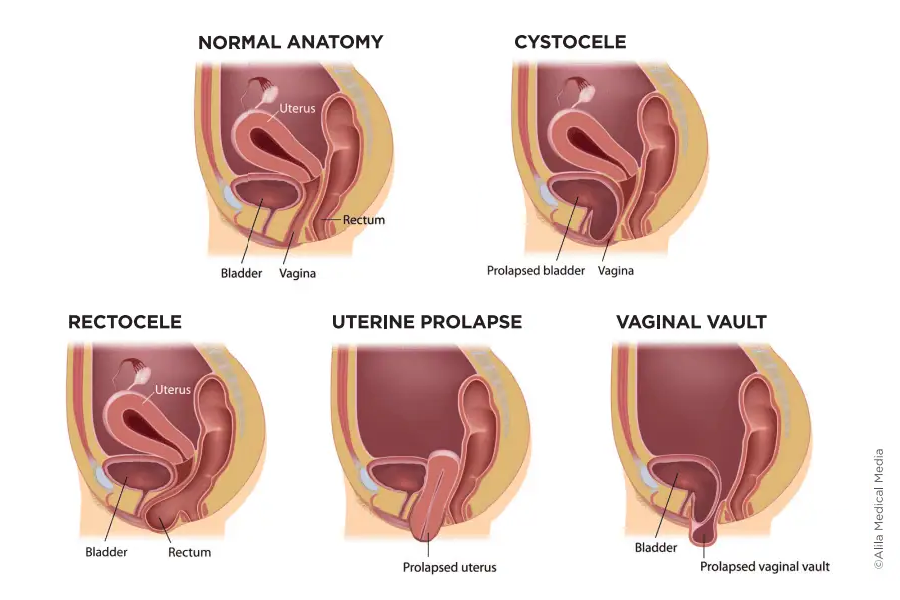
Pelvic organ prolapse occurs when weakening of the pelvic floor allows structures such as the bladder, rectum, uterus, or vaginal vault to descend.
Symptoms may include vaginal pressure or bulging, difficulty emptying the bladder, urinary frequency, difficulty with bowel movements, or a sensation of incomplete emptying.
Milder cases may respond to pelvic floor therapy or other non-surgical treatments. More significant prolapse may require surgical correction.
We evaluate and treat a wide range of sexual concerns.
Treatment depends on the underlying cause and may include behavioral changes, evaluation and treatment of hormonal abnormalities, or medications.