
360 Urology can help in management of your every day urologic needs. The empathy and care among our team members will give you a different level of care, no matter what the condition we are treating. We take the time to explain to you why you have what you have and why we recommend specific treatment options; because it is important for you to know the whys behind the whats to allow you to make the best informed decision possible.


PSA is the standard of care for prostate cancer screening. Most guidelines recommend starting screening around the age of 50-55 in average risk men and 40-45 in high risk men (African men and men with a family history of prostate, breast, ovarian, or cervical cancer).
PSA screening should be done yearly for most people. When concerned, we have the newest tools at our disposal such as Prostate MRI, 4K score, ExosomeDx, The Genomic Prostate Score, and Prolaris that may allow us to better evaluate the prostate before proceeding with a prostate biopsy.
We also take into account your age and other medical conditions before subjecting you to invasive treatments.
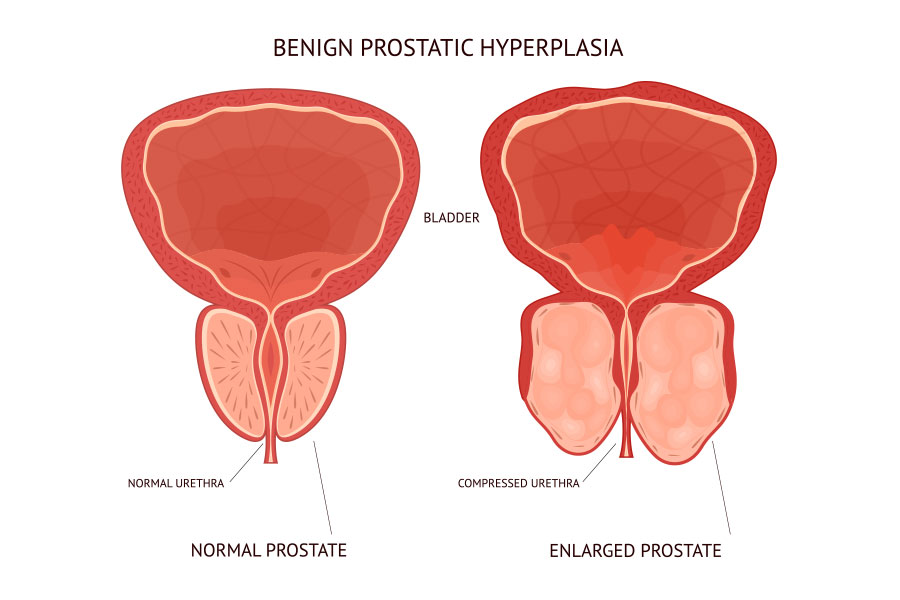
Enlarged prostate, or BPH, is bread and butter urology, and one we absolutely love treating. Men with enlarged prostate may find themselves waking up multiple times at night, straining to void, or having strong urges to void that often times results in urinary leaking.
Rest assured, this is very treatable with options that include medications, minor in-office procedures, and larger in hospital procedures. When discussing treatment options, we take into account your symptoms, your prostate size, as well as your concerns for side effects such as ejaculatory dysfunction and erectile dysfunction.
Because we specialize in sexual function, we take extra care to preserve it, even when treating a different medical problem.
While acute testicular pain may require urgent treatment, chronic testicular pain can be a much more challenging condition to treat with these concerns often times being either disregarded or taken to an extreme by offering testicle removal.
Fortunately, we have yet to have to remove a testicle because of chronic pain. Our algorithm allows us to progress our patients through various treatment options until we find one that resolves the pain. Treatment options including oral medications, testicular injections, pelvic floor physical therapy, microsurgery, hydrocele repairs, and epididymal removals (removal of just the area behind your testicle causing pain).
Make an appointment today to find out what options may work for you.


We specialize in minor “Mens Health” in office procedures and have a nerve numbing process that allows you to have a painless experience as we complete your chosen procedure.
While we do have the ability to offer you these under anesthesia, we have found patients who opt to do it awake have been pleasantly surprised by the minimal discomfort.
Schedule a consultation to discuss circumcision or circumcision revision.
Stones are a very common cause of blood in the urine and can easily be treated with either medications to help pass the stone, or surgery. However, there are other causes of blood in the urine that may need to be ruled out including bladder infections and bladder or kidney cancers.
We follow guideline based practices to guide you through your work up, minimizing radiation and limiting invasive treatments to only those for whom it is recommended.


Overactive bladder is a combination of symptoms that includes frequent urination, uncontrollable urges to void, and night time urination and may oftentimes lead to incontinence without the presence of a urinary tract infection.
In men, the most common cause of these symptoms is enlarged prostate.
First line treatment options include lifestyle changes and pelvic relaxation exercises, which are typically followed by a trial of medications. The medications, while oftentimes effective, can be expensive or have unwanted side effects including dry eyes, dry mouth, constipation, and confusion.
At 360, in addition to the above treatments, we are able to offer you safe and effective minimally invasive alternatives, such botox and nerve stimulation, in an attempt to limit these side effects while restoring your bladder control.
Stress incontinence is leaking related to “stress” such as coughing, jumping, standing, walking or exercise. Leaking at night while sleeping is rare but can sometimes be a more severe form of incontinence. Stress incontinence is very common immediately after prostate cancer treatments but tends to improve gradually over time. Typically, the most improvement will be seen the first 6 to 12 months after your prostate cancer treatment. Robotic surgery has improved stress incontinence rates to less than 10%.


Hormonal imbalance, particularly testosterone deficiency, is directly related to your sex drive/intimacy as well as your erection function. However, the negative side effects of low testosterone go much further, and may hurt your heart health, bone health, and even your cognitive (brain) health, focus, memory and concentration.
At 360 Urology, our treatment algorithm is safe, effective, and most importantly, guideline based. Do your research. And then allow us to help you be your best you!


PhalloFILL® uses hyaluronic-acid-based filler to increase penile girth without surgery. Hyaluronic acid is naturally present in the body and gradually dissolves over time, making the treatment reversible compared with permanent fillers.
Schedule a consultation to discuss your goals and determine whether PhalloFILL® is appropriate for you.
Erectile Dysfunction is seen in 1 in 4 men in the United States and is especially common in men with heart disease, diabetes, and prostate cancer. In fact, erectile dysfunction can occur in 15-90% of patients who have undergone prostate cancer treatment. Erectile dysfunction following treatment of prostate cancer can be due to neuropraxia (stunning of the nerves from prostate cancer treatment) and arterial insufficiency (poor blood flow to the penis).
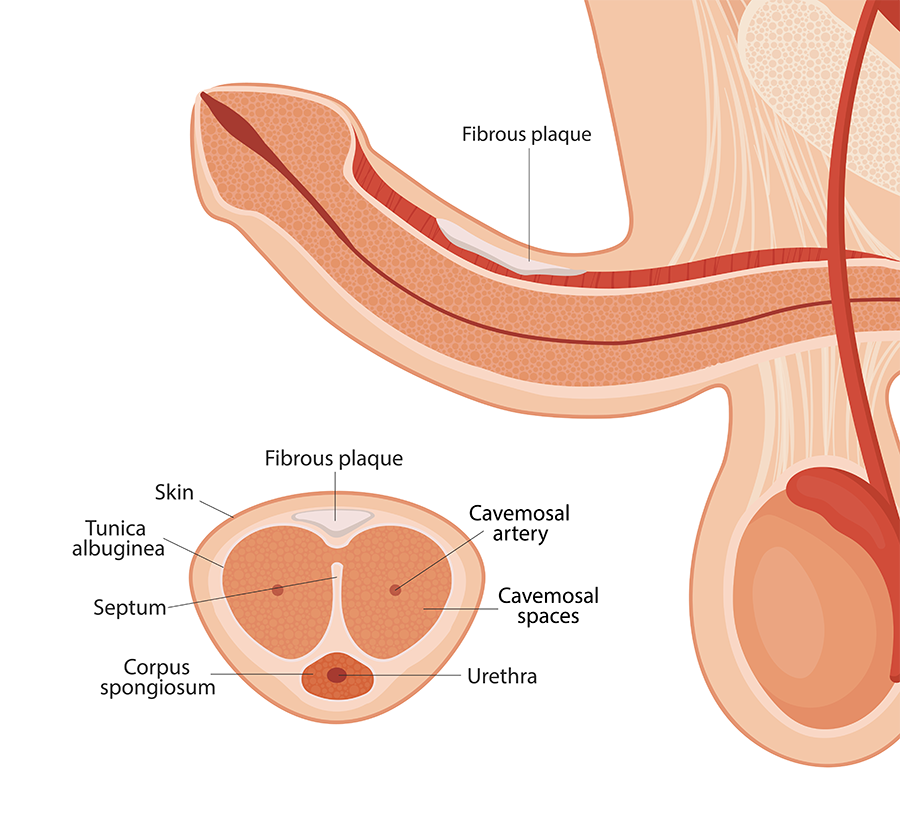
Prolonged lack of erections and penile blood flow can result in scarring of the erectile bodies within the penis leading to loss of penile length and girth as well as an end stage erectile dysfunction called Veno-Occlusive Disease.



We evaluate and treat a wide range of sexual concerns, including low sex drive, premature ejaculation, erectile dysfunction, and delayed ejaculation.
Treatment depends on the underlying cause and may include behavioral changes, evaluation and treatment of hormonal abnormalities, or medications.